Nigeria · West Africa

The knowledge that runs African markets has never been priced. We build businesses on it.

Zaarcé builds and runs businesses inside African markets, learns how money, goods and prices really move, and shares it with the people building alongside us. Our first sector is food and agriculture in Nigeria.

What we believe

The most valuable business knowledge here isn't written down

Cattle traders settle deals on trust. Aggregators know every farm in a district. Informal credit often reaches people faster than any bank. Investors and analysts value all of this at zero, because nobody has put it in terms a balance sheet understands.

We think that mispricing is the biggest opportunity on the continent, and the fastest way to read it is to operate inside it.

How we work
  1. 01
    Build and run a real businessinside a market, with our own money and our own team.
  2. 02
    Learn how it actually moveswhere money, goods and trust change hands, from the inside.
  3. 03
    Share itthrough short videos, writing, playbooks and hands-on help.
  4. 04
    Take the method to the next industryand start again from the inside.
Who we work with

For people building here, not just watching

Diaspora builders

Professionals abroad with capital and a plan for Lagos, Abuja, Accra or elsewhere in West Africa, who want that plan tested against how things actually run before any money moves.

Operators exposed to price swings

Businesses whose costs move with the market: food and farm inputs, fuel and power, labour. When margin depends on prices nobody in the building controls, the systems behind purchasing and pricing decide who survives.

Investors and companies trying to understand African markets read along through the show and the playbooks.

Proof in progress

Where we're operating

Each project is a working business and a way to learn how a market really behaves: who sets prices, where supply breaks, and who gets paid for what they know. Food and agriculture is the first sector we're inside.

Food and agricultureLive

Ajéburga

A fine-casual burger bar in Abuja: casual food, cooked with serious technique, built from scratch on Nigerian ingredients. Beef comes direct from the cattle market, including tozo, the hump of the zebu cow, and cuts most burger kitchens pass over. So do the spices: yaji, the peanut-and-chili blend behind suya, uda, the smoky West African pepper also sold as grains of Selim, and Nigerian lemongrass. The bet: ingredients that global fast food overlooks can carry a world-class burger.

Running it shows us every week how prices, supply and trust move between farm and plate.

Team of 14 · Delivery and pickup trading · Dine-in from December 2026

Food and agricultureIn development

Preserved foods and cleaner cooking fuel

Running a kitchen shows exactly where food loses value between the farm and the plate. The next businesses sit at those points, starting with keeping good harvests from going to waste and a cleaner, longer-burning fuel for kitchens that cook over fire.

BotanicalsNext

Plants, growers and longevity

The plants that beauty, wellness and food companies buy grow across the continent, and the people who know how to grow and process them are usually paid the least. We will go in the same way, by operating first, starting with a wellness space built around longevity.


Inside Ajéburga
What goes into an Ajéburga? Nigerian ingredients, made from scratch: agoyin pepper sauce, ata rodo, candied beef bacon cured in-house, and zobo and dabino in the drinks.
Can I order now? Yes. Pickup and delivery are running today. Dine-in opens in December.
What's the first bite like? From the griddle to the sauce to the first bite. Watch it with the sound off; it still lands.
Why cure our own meat? Imported cured meat is costly, and fine-dining kitchens still pass over local meat. We cure Nigerian beef in-house to show it belongs on any menu.
Where does the beef come from? Direct from the cattle market. That includes tozo, the hump of the zebu cow, which most of the world has never tasted, and cuts other kitchens pass over.
Can I sit in? From 12 December. The host opens the door, the room is set, and the chef is right there at the counter.
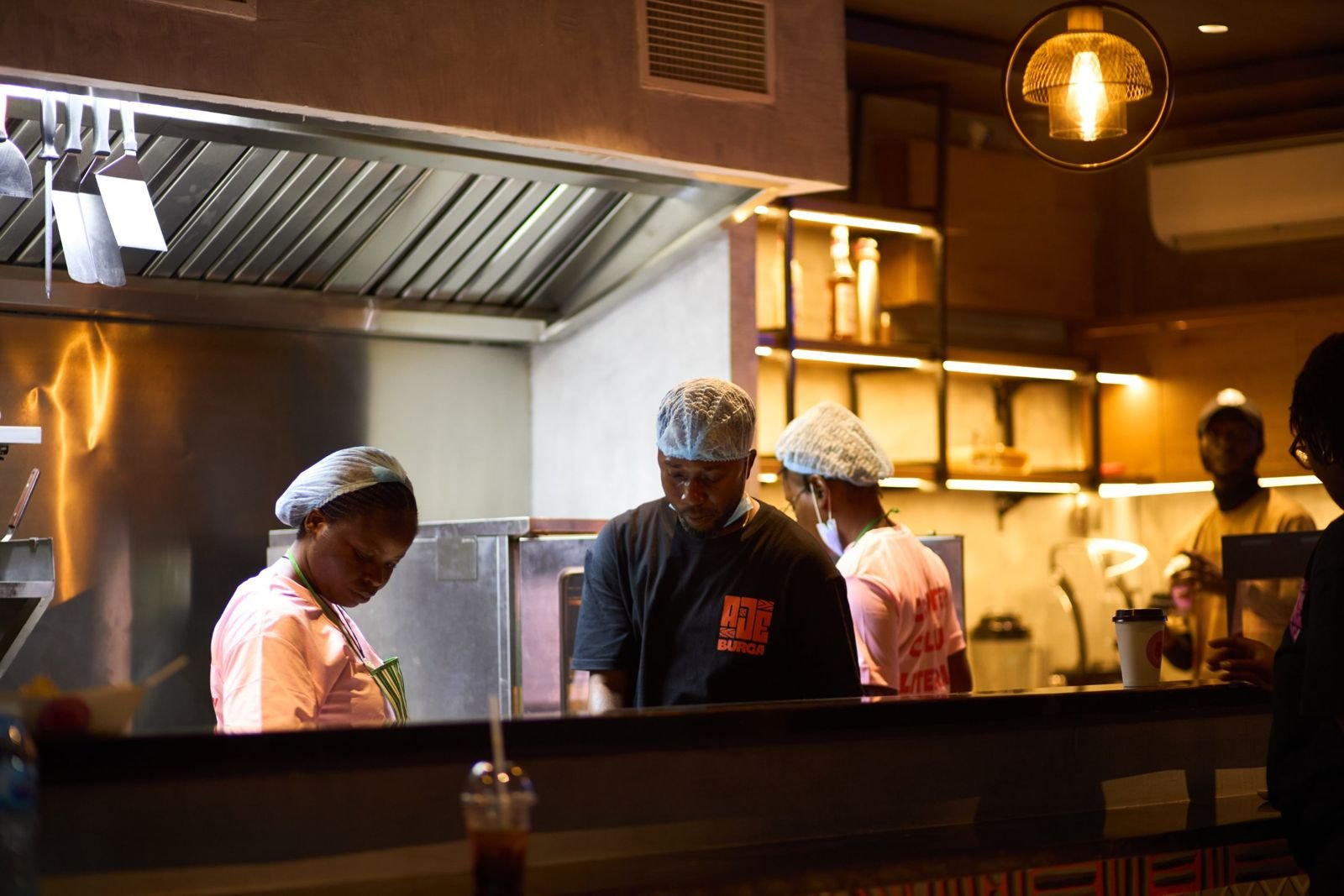
Three cooks in hairnets working the open kitchen during evening service
Who's in the kitchen? A team of 14, hired and trained for this kitchen in 2026.
What we offer

Systems we built for ourselves, set up for you

These come straight from what operating has taught us. More follow as each new sector is built.

For growing businesses

Back-office setup

Bookkeeping, cash controls, purchasing, stock, point of sale and reporting, set up and handed to your team with training.

Request a proposal
For businesses with volatile input costs

Cost and margin review

We map what you buy, where its price swings, and how that reaches your margin. Then we fix pricing, purchasing and controls so the next swing doesn't catch you out.

Request a proposal
For diaspora professionals planning a business in Nigeria or West Africa

Market entry session

One focused session on your plan: costs, hiring, suppliers, permits, timeline, and the questions to ask anyone pitching you a deal.

Book the session
Ways to start

Pick the step that fits where you are

Book a discovery call

60 min

Pick a time that suits you. We look at your plan or your numbers together and agree what happens next.

Book a discovery call

Request a proposal

Free

Tell us about the business. We reply within 2 working days, then send a scope and a price once we understand what you need.

Request a proposal

Join the playbook list

Free

First access and launch pricing when our first playbook is ready.

See the playbook
Playbook 01 · In the works

Our first playbook is coming

We're turning what we've built into something other operators can use. It may be a set of back-office tools you can run yourself, a framework for managing input costs that won't sit still, or a guide to sourcing when wholesale options are thin. Ajéburga is the case study either way.

Join the list and you'll hear first, with launch pricing.

Coming to Africa

Notes from inside the build

Short videos and writing on who is making money in African markets, how the system really works, and what outside analysis keeps getting wrong.

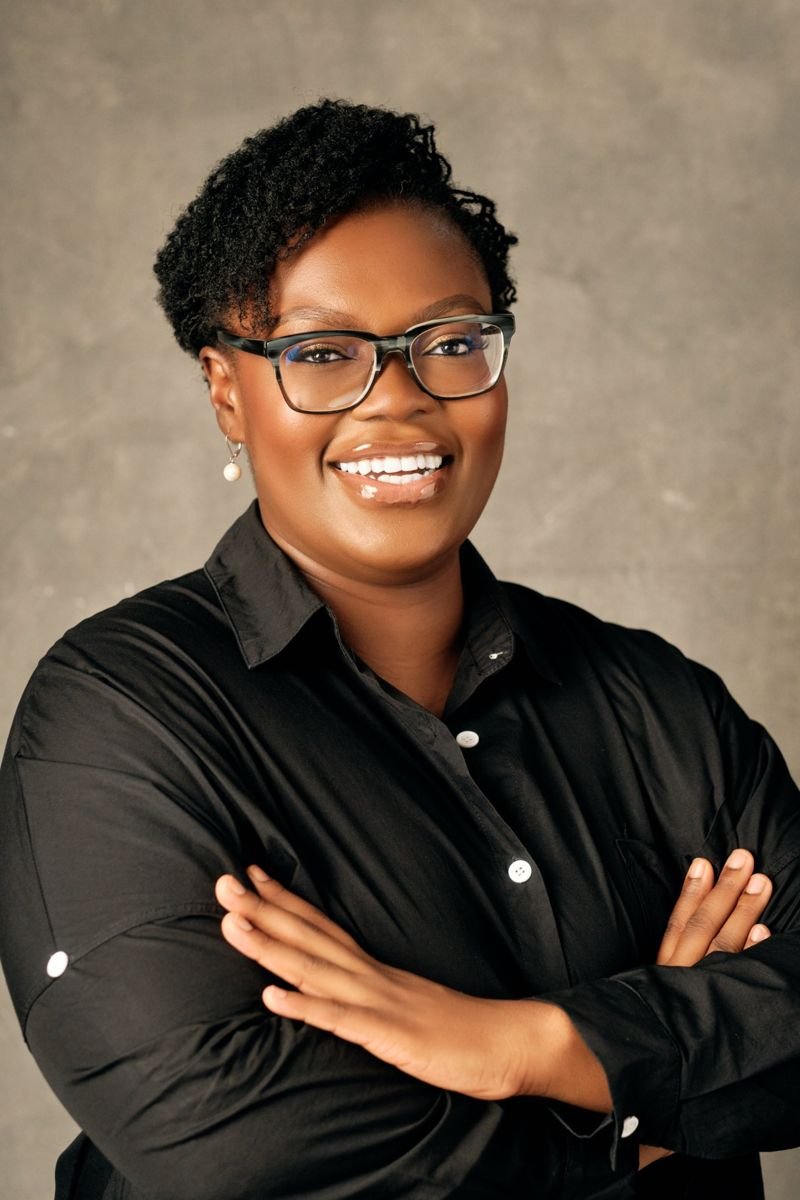
Freda Idoko, founder of Zaarcé, in a black shirt with arms crossed
Founder

Freda Idoko

Freda spent fifteen years building go-to-market plans for Confluent, VMware, Kraft Heinz and McKesson. Africa was left out of every one of them. Today she runs Ajéburga, the first business in a portfolio built to show how African markets actually work.

Follow the build on Substack

Contact

Start with a conversation

Book a call to work through your plan, or tell us about your business here. Every enquiry comes through this page, so it reaches the right person.

60 minutes. Pick a time on the booking page; your name and email carry over if you add them here.

One email when the first playbook is ready, with launch pricing. This list is only for the playbook, not the newsletter.